

Goal-setting and achievement are great sources of motivation. We can stay focused and work toward something positive when we set goals. Nevertheless, this is not always as simple as it sounds. Setting and achieving attainable goals can be challenging, even for adults. We are here to provide some guidance on the six steps that can assist your child in setting and achieving a goal.
Whether your child wants to save money or pass an exam, these steps can help them achieve their goal and increase their chances of success.
Allow Your Child To Choose Their Goal:
- Allowing your child to choose their goal is the first step because children are more likely to work toward it if they choose it themselves. You might want to guide them because it might not always be the goal you want them to choose. In general, we are more willing to put in the effort to achieve our goals the more control we have over them.
Assist Your Kids For Setting the Goal:
- After your child has selected a goal, you might want to inquire as to why they have chosen it. This is an excellent strategy for maintaining their enthusiasm and assisting them to concentrate on the advantages of their target. This can also be a useful method for determining whether the goal is appropriate and managing expectations. It’s possible that they chose a goal that won’t meet their expectations or that they were too ambitious.
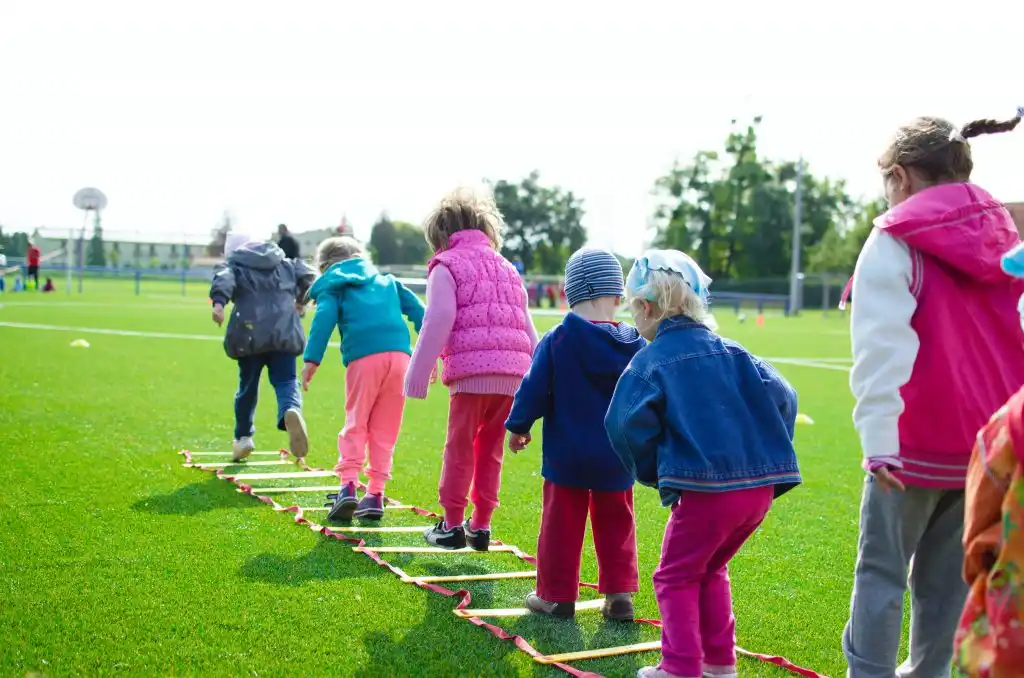
Discuss the Issue and Purpose Of Goal Setting:
If this occurs, you can assist them in discussing the issue. You could assist them in selecting a more appropriate goal or make their initial objective more attainable. Reassure your child that they haven’t failed. Even if they don’t succeed, adults always learn something new, which may be more important than the goal itself. Setting a goal that doesn’t exactly meet your expectations is perfectly acceptable. You are ready to proceed to step three once your child has established a goal that can be achieved.
Help Your Child Visualize Their Progress Toward Their Goal:
- It’s great to have a goal, but if you don’t know how to reach it, your chances of success can be slim. Help your child visualize their progress toward their goal. This indicates that you and your child may need to see or track the progress that is being made in order for abstract ideas about achieving a goal to work.
Ask your child how they envision achieving their objective. What is the ideal starting point? What ought they begin with? Is there a time limit? It’s also helpful to discuss any milestones associated with achieving their goal. Milestones are a great way to keep your child excited about their next accomplishment and to mark their progress. For instance, if your child wants to buy a particular toy, the first thing they should do is look into ways to save money.

Break the Goal Down Into Smaller Steps
- Break the goal down into smaller steps Just like adults do when they set goals, kids can benefit greatly from breaking their goals down into smaller steps. You could go over this with your child to help them make goals for themselves; however, if they don’t know how to do it, they might need some help, which is a great learning opportunity.
Milestones And Steps For Achieving Goals:
Milestones and steps are the two primary ways to break down goals. Milestones, as previously stated, can be an excellent method for tracking progress, and it is always simpler to remain focused on a goal when you can see that you are making progress toward it. If saving up for a new toy is your child’s goal, you could set a milestone at the halfway point so they can see how well they’re doing.
Discuss How Your Kid Will Plan and Achieve the Goal:
How your child will achieve a goal is more important when breaking it down into steps. For instance, if your objective is to learn how to make a birthday card for someone, you could break it down into several steps, such as:
- finding the paper and other art supplies,
- folding the card,
- drawing the picture on the front,
- writing the message, and
- putting it in an envelope.
When a goal is broken down into steps like these, no aspect is overlooked. Additionally, it indicates that your child is able to follow the steps logically. It can help your child become better at planning if you let them talk through the steps with you.

Discuss Potential Obstacles:
- Discuss potential obstacles This is a big one because we all know that obstacles can stop plans from moving forward. It is always beneficial to ensure that your child is aware of potential roadblocks to achieving their goal, and you can assist them in developing a strategy for dealing with them.
Teach Your Child Resilience:
Being aware of obstacles from the beginning can help teach your child resilience in the face of setbacks, which can be disheartening. It can also teach them to have a strategy for achieving a goal no matter what, and you can assist them in overcoming any unanticipated challenges. Keep in mind that even if you don’t do anything wrong, you can fail due to unanticipated challenges, so having a backup plan can be comforting.
Let Your Kids Learn Through Mistakes:
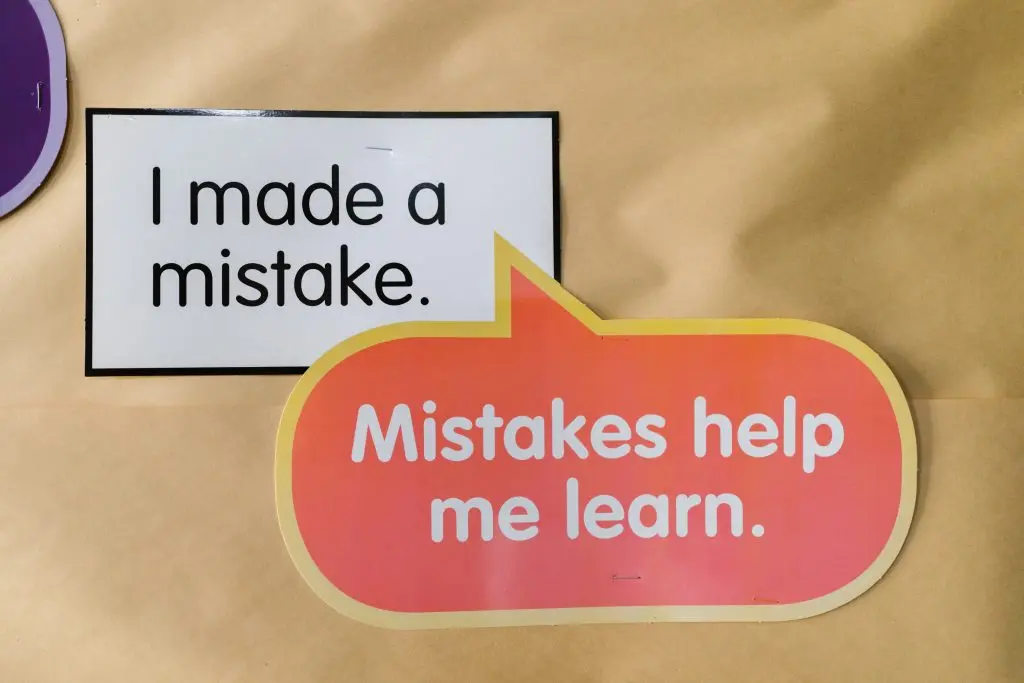
- Allowing your child to make their own mistakes and learning from them is important as well. We all make mistakes from time to time, and they can have a big impact on how far we get toward our goals. Your child may not fully comprehend the consequences of their mistakes, and experience is valuable for learning. This is dependent on how old your child is.
It is essential to allow your child to make mistakes safely. It may assist them in experiencing the results of their actions. Of course, it’s normal for your child to get discouraged and even want to give up on their goal, but many kids just need a little push to get back on track. You can also direct them to a resource from which they can gain success in the future.
ZakiPay Tip:
You might be wondering why there is a seventh step in a guide with six steps. It’s easy: celebrate at step seven! It’s a good idea to congratulate your child when they reach a goal because it helps them remember how great it is. This kind of positive reinforcement is essential for developing good habits in later life.
Because goal-setting can be difficult, you should probably make sure your child associates success with good feelings. Naturally, once they achieve success, you can assist them in setting a more difficult objective.
Use ZakiPay to help your kids set financial goals If you’re teaching your kids about money, you might want to help them set a savings goal with the Zakipay app. After that, you might help them set more difficult savings goals that help them learn more and learn more. Our age-appropriate lessons in our in-app Money Missions are a great way to teach your kids about money. Check out how ZakiPay can help your children achieve their financial goals by signing up right away.


Quiz: Donating or Sharing Savings /10 Keeping Your Passwords Secret 1 / 10 Why should you keep your passwords...
Quiz: Teaching Others About Savings /10 Keeping Your Passwords Secret 1 / 10 Why should you keep your...
Edit with Elementor Quiz: Saving for a Special Purchase /10 Keeping Your Passwords Secret 1 / 10...
Quiz: Saving for Education /10 Keeping Your Passwords Secret 1 / 10 Why should you keep your passwords...
Quiz: Emergency Savings Importance /10 Keeping Your Passwords Secret 1 / 10 Why should you keep your...