
Children learn by observing and imitating adults. So, what straightforward actions can you employ to teach your children the value of money?
Parents don’t need to worry about balancing their income and expenses, it can be challenging for children to comprehend the significance of money and the need for fiscal responsibility when it comes to spending.
However, there are a lot of principles you and your family can follow to help children of all ages learn about money management. To help your kids understand, here are 6 Money Habits to Practise in Front of Your Children
Be Honest About Money that How Much Things Cost?
No matter what you were taught as a child, “money” doesn’t have to be a dirty word. Instead, talk openly about money and what things cost. In fact, the first step in assisting children in comprehending what things cost and why it is essential to manage money responsibly is to openly and honestly discuss it.
Talk about the cost of treats or family outings to bring the subject to life. For your children to understand that money must be earned, create a vision board that places those things in the context of how long you might have to work to pay for them or how many weeks’ worth of pocket money they equate to.
It’s also important to explain why you can’t always afford everything, so they know there are limits and that other financial obligations like bus fares and energy bills have to come first.
Encourage your kids to work for a paycheck
Encourage your children to perform small tasks in exchange for financial compensation as another strategy for teaching them that money must be earned. Naturally, all of us want our children to know that not all work is rewarded and that some tasks are just expected.
However, if your children want to save for a specific goal, you can teach them the value of money by requiring them to do small tasks around the house, like cleaning the car, in exchange for extra pocket money. Additionally, it helps them comprehend that as adults, we may occasionally require additional work or a side business to pay for the things we want.

Give your children the authority to spend wisely.
Give your children a small amount of pocket money each week and let them spend it however they want to help them learn how to budget for the things they want and that “once it’s gone, it’s gone.”
Tell them that they can use the money however they want as long as they tell you what they intend to use it for, and encourage them to save up for larger purchases. They will be able to appreciate the value of their money if we talk about how long it might take to save.

Together, establish specific savings goals.
Include your children in savings plans to help pay for big-ticket items like holidays, trips to theme parks, and family outings. Together, set specific savings goals. You can teach your children how to save for big purchases and the importance of saving regularly if you sit down with them as a family and figure out the total you need to reach. They can see how saving helps them achieve a goal by setting a monthly goal together.
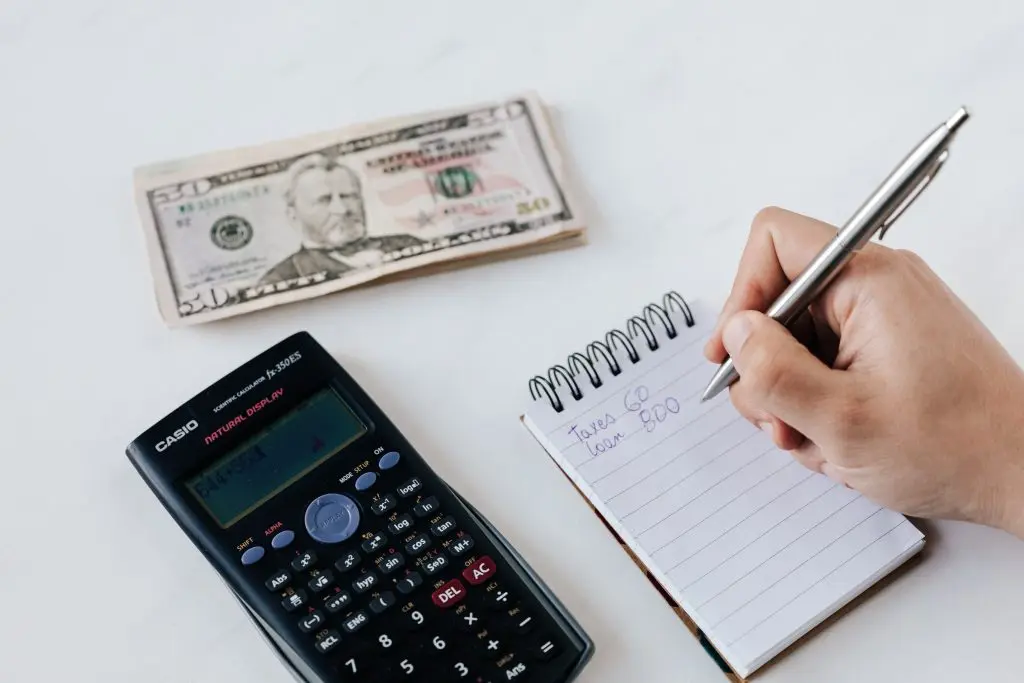
Budgeting for the family
Setting a monthly budget for things like outings, entertainment, and eating out will teach your children that money needs to cover many different needs. A great way to demonstrate how budgeting works is to sit down at the beginning of the month to plan what you want to do and how you will pay for it.
Making a budget is also a great family activity because it can teach your kids that sometimes they have to give up something else if they want to do one thing. Make sure they know that you have budgets for things like shopping and bills in addition to your fun commitments.

Follow through with your grocery list.
Make a grocery list and stick to it When you take the family to the supermarket, having a grocery list will show your kids how planning can help you stay within your budget. Consider hanging a kitchen shopping list on the wall so that everyone can add items.
Before you go shopping, figure out how much it will cost to make sure it fits within your regular spending limit. Explain to the kids why that limit exists and must be adhered to.
When you go to the grocery store, stick to the things you had planned to buy so your kids can see how it helps you stick to your budget.


Quiz: Donating or Sharing Savings /10 Keeping Your Passwords Secret 1 / 10 Why should you keep your passwords...
Quiz: Teaching Others About Savings /10 Keeping Your Passwords Secret 1 / 10 Why should you keep your...
Edit with Elementor Quiz: Saving for a Special Purchase /10 Keeping Your Passwords Secret 1 / 10...
Quiz: Saving for Education /10 Keeping Your Passwords Secret 1 / 10 Why should you keep your passwords...
Quiz: Emergency Savings Importance /10 Keeping Your Passwords Secret 1 / 10 Why should you keep your...